Source Perfume Tester Strips for Gift Packaging, Testing, and Crafts
Compare 30 listings for perfume tester strips from suppliers in China. Buyers can evaluate options based on material, size, printing methods, and MOQ to find suitable solutions for gift packaging, testing, and craft applications; compare the available evidence and request quotations based on your requirements.
Key considerations
Products List



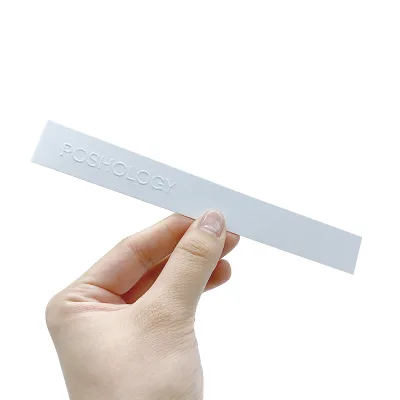






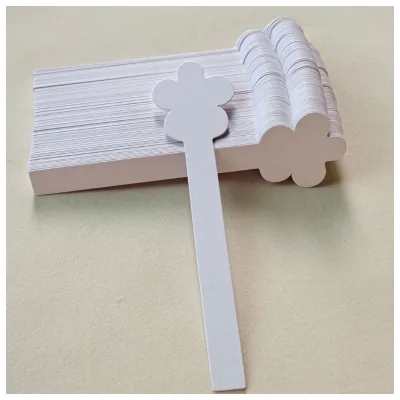
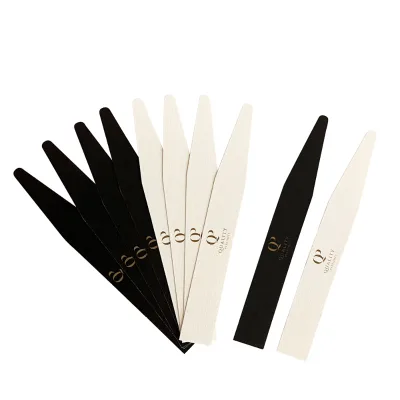
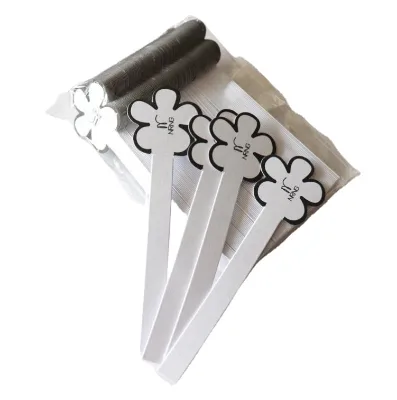



Comprehensive Sourcing Guide
Perfume Tester Strips Sourcing Guide
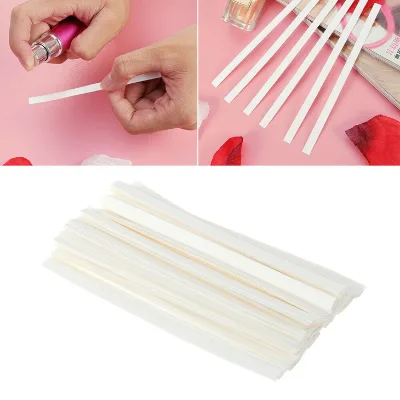
Perfume tester strips, often referred to as blotter strips or fragrance testing cards, are essential tools for evaluating scent profiles before purchase. These items serve as the primary interface between a fragrance formulation and the consumer’s olfactory senses, allowing buyers to assess top, middle, and base notes accurately. In the B2B context, these strips are not merely functional accessories but critical branding elements that influence customer perception and product positioning. Sourcing high-quality strips ensures that the fragrance’s true character is conveyed without distortion from the material itself.
The market for these products is diverse, ranging from simple absorbent paper strips to elaborate, branded packaging solutions. Buyers must distinguish between basic testing tools used in internal quality control and premium, custom-branded strips intended for retail displays or gift sets. Understanding this distinction is vital for aligning procurement strategies with marketing goals. Whether the need is for high-volume, low-cost testing or low-volume, high-impact branding, the sourcing approach must adapt to the specific functional and aesthetic requirements of the final application.
Product Scope and Observed Listing Signals
Current market listings reveal a wide variance in product specifications, indicating a fragmented supply landscape. Observed price points range significantly, reflecting differences in material quality, customization complexity, and order volumes. Minimum order quantities (MOQs) vary from small batches suitable for sampling to large-scale industrial orders, suggesting that suppliers cater to both niche boutique brands and mass-market distributors. This variability requires buyers to carefully evaluate their volume needs against the supplier’s production capabilities to avoid unnecessary inventory costs or stockouts.
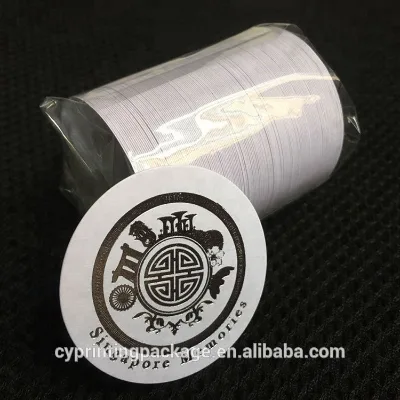
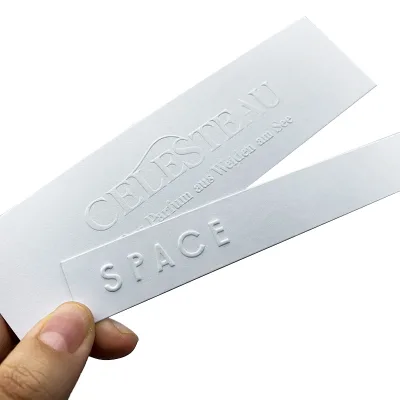
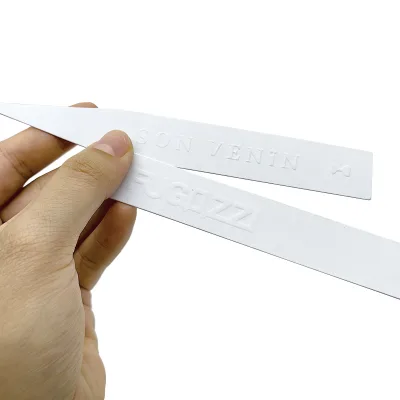
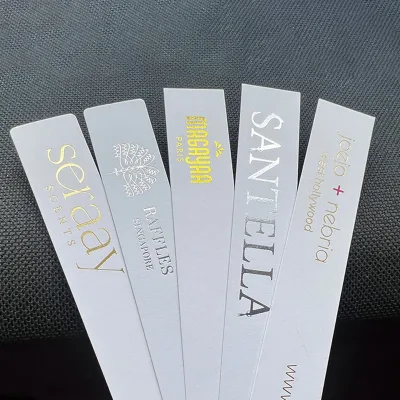
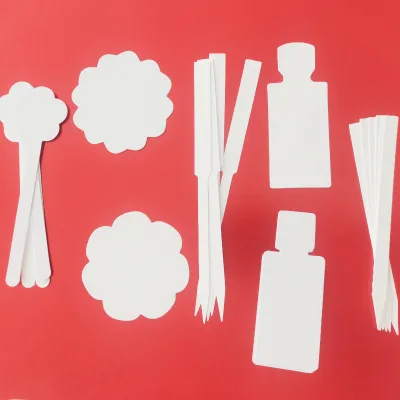
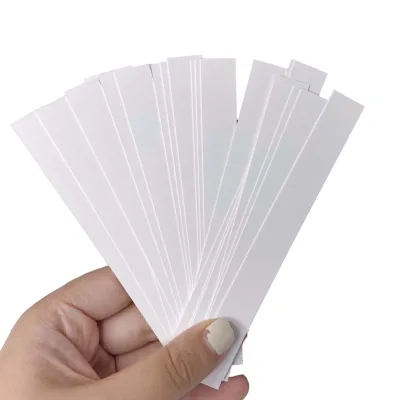
Material composition is a primary differentiator among listed products. Common materials include absorbent paper, coated paper, art paper, and thick blotter paper, each offering distinct scent absorption and retention properties. Some listings highlight specific dimensions, such as 25x120mm or 2x16cm, while others offer fully customized shapes and sizes. The presence of features like embossing, hot stamping, and CMYK printing indicates that many suppliers provide comprehensive branding services. Buyers should verify that the chosen material does not impart its own odor, which could interfere with the fragrance being tested.
Technical Specifications to Verify
Paper thickness and GSM are critical technical parameters that directly impact scent longevity and diffusion. Thicker papers, such as those specified at 350gsm, may offer a more rigid structure suitable for premium packaging but might absorb scent differently than thinner, highly absorbent variants. Buyers must request physical samples to test how quickly the fragrance evaporates and how well the paper holds the scent over time. The surface finish, whether matte, glossy, or textured, can also affect how the fragrance interacts with the paper, making tactile evaluation essential for final selection.
Printing and branding capabilities must be rigorously assessed to ensure brand consistency. Suppliers offer various printing techniques, including flexographic, offset, digital, and screen printing, as well as finishing options like embossing and debossing. It is crucial to confirm that the printing inks are odorless and do not react with the fragrance oils. Additionally, verify the precision of logo placement and color accuracy, especially for multi-color designs. Customization options for shape and size should be clearly defined, including any tooling fees or setup costs associated with non-standard dimensions.
Compliance and Safety Documentation
Safety and regulatory compliance are paramount when sourcing materials that come into direct contact with consumer products. Buyers must ensure that all paper materials are free from harmful chemicals, such as chlorine bleaches or heavy metals, which could contaminate the fragrance or pose health risks. Requesting Material Safety Data Sheets (MSDS) or similar documentation from suppliers is a standard practice to verify the chemical composition of the paper and inks used in production. This step helps mitigate liability and ensures that the final product meets international safety standards for consumer goods.
Environmental considerations are increasingly influencing procurement decisions, with many brands seeking eco-friendly options. Some suppliers offer products labeled as eco-friendly, utilizing sustainable sourcing practices or recyclable materials. Buyers should inquire about the origin of the pulp and the manufacturing processes to assess the environmental impact. Certifications related to sustainable forestry or biodegradability, if claimed, should be verified through independent audits. Aligning product sourcing with corporate sustainability goals can enhance brand reputation and appeal to environmentally conscious consumers.
Cost Drivers and Commercial Terms
Several factors influence the total cost of perfume tester strips, with material quality and customization level being primary drivers. High-grade absorbent paper and complex printing techniques naturally incur higher costs compared to basic, unbranded options. Volume discounts are common, but buyers must balance order size with storage capacity and cash flow constraints. Understanding the cost structure helps in negotiating better terms and identifying areas where savings can be achieved without compromising quality, such as simplifying design elements or standardizing sizes.
Lead times and payment terms are critical commercial considerations that affect supply chain reliability. Typical lead times can be as short as three days for standard items, but customized orders may require additional time for setup and production. Buyers should clarify these timelines during the negotiation phase to ensure alignment with their launch schedules. Payment terms, including deposits and balance payments, should be clearly defined to manage financial risk. Additionally, shipping costs and import duties should be factored into the total landed cost to avoid unexpected expenses upon delivery.
Supplier Qualification and Quality Control
Supplier qualification involves a thorough assessment of manufacturing capabilities, quality management systems, and past performance. Buyers should request references or case studies to verify the supplier’s experience in producing fragrance testing materials. Visiting the factory or conducting third-party audits can provide insights into production hygiene, equipment maintenance, and quality control processes. Establishing a strong relationship with a reliable supplier ensures consistent product quality and reduces the risk of supply chain disruptions.
Quality control measures must be implemented at every stage of production, from raw material inspection to final packaging. Buyers should define clear acceptance criteria for defects, such as uneven printing, incorrect dimensions, or poor scent absorption. Implementing a pre-shipment inspection protocol can help catch issues before goods leave the factory. Regular communication with the supplier regarding quality feedback and continuous improvement initiatives fosters a collaborative partnership. Documenting quality standards in the purchase agreement provides a legal basis for addressing any discrepancies in future orders.
Long-Term Procurement Checks
Long-term procurement success depends on continuous monitoring of supplier performance and market trends. Regularly reviewing key performance indicators, such as on-time delivery rates, defect percentages, and responsiveness to issues, helps maintain high standards. Buyers should also stay informed about advancements in paper technology and printing techniques that could offer improved performance or cost efficiencies. Adapting to these changes ensures that the sourcing strategy remains competitive and aligned with evolving consumer preferences and regulatory requirements.
Sustainability and ethical sourcing practices should be periodically re-evaluated to ensure ongoing compliance with corporate social responsibility goals. Engaging with suppliers on initiatives to reduce waste, lower carbon footprints, or improve labor conditions can enhance brand value and stakeholder trust. Building a diversified supplier base can mitigate risks associated with single-source dependencies. By maintaining a proactive approach to supplier management and market analysis, buyers can secure a reliable supply of high-quality perfume tester strips that support their brand’s long-term success.
FAQs
What materials are used for perfume tester strips?
Perfume tester strips are typically made from absorbent paper, coated paper, art paper, or thick blotter paper. These materials ensure proper scent absorption and longevity. Some options include paperboard for added thickness, while others use standard art paper for a lighter feel suitable for various testing needs.
Can I get free samples of perfume tester strips?
Yes, free samples are provided for perfume tester strips by many suppliers. This allows buyers to verify quality before placing bulk orders. While samples are free, shipping costs may apply depending on the supplier. Lead times for samples usually range from two to three days after request.
What is the minimum order quantity for these strips?
The minimum order quantity varies by supplier, ranging from 500 to 1000 pieces for standard orders. Some vendors may require up to 10,000 units for custom specifications. Buyers should check specific listings to confirm the exact MOQ required for their chosen product type and customization level.
How long does it take to receive an order?
Production lead times for perfume tester strips are generally short, often around three days for standard items. Custom orders with specific printing or logos may take slightly longer. Buyers should confirm exact timelines with the supplier, as lead times can vary based on order volume and customization requirements.
Which printing methods are available for custom logos?
Available printing methods include offset printing, flexographic printing, embossing, hot stamping, and silk screen printing. Buyers can choose from CMYK four-color offset or digital printing for detailed designs. Custom logos are accepted, allowing for branding on white, ivory, or colored strips depending on the supplier's capabilities.
Where are these perfume tester strips manufactured?
These strips are manufactured in various regions of China, including Jiangsu, Guangdong, and Shandong provinces. The specific origin depends on the supplier chosen. Buyers can select manufacturers based on their preferred location to optimize logistics or meet specific regional sourcing requirements for their business needs.
What sizes are available for the test strips?
Common sizes include 25 by 120 millimeters, 2 by 16 centimeters, and 5 millimeter widths. Custom dimensions are also available upon request. The thickness can range from 0.5 millimeters to 350 grams per square meter, allowing buyers to select the exact specifications needed for their specific testing applications.